

Beyond ICs: How Passive Components Are Powering Next-Gen Electronics
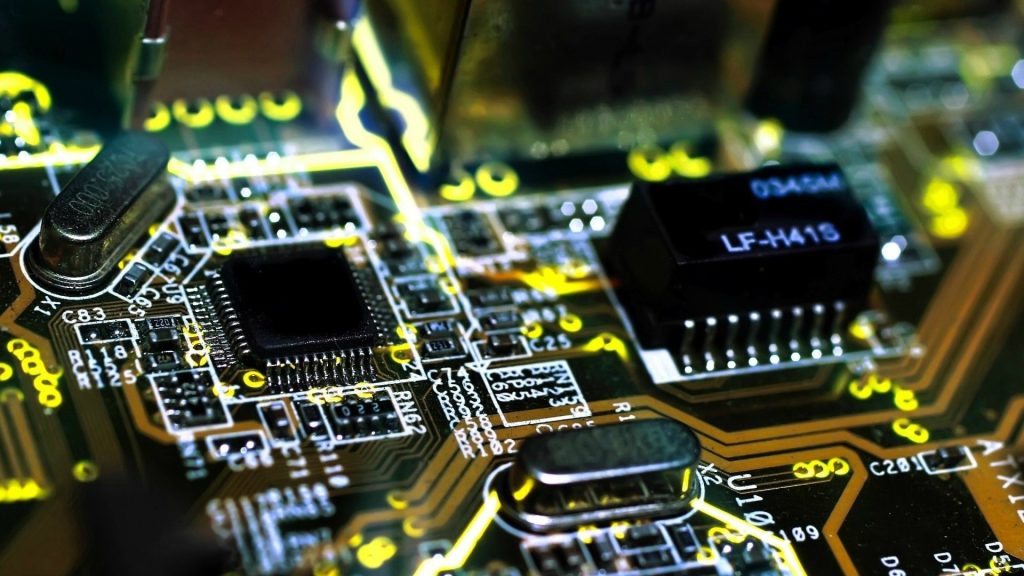
When most people think about innovation in electronics, the spotlight naturally falls on integrated circuits (ICs)—the brains behind everything from smartphones to satellites. But what often goes unnoticed are the silent workhorses of every electronic device: passive components like resistors, capacitors, inductors, and ferrite beads. While they may not grab headlines, passive components are foundational to performance, reliability, and innovation in modern electronics. In fact, without them, even the smartest IC is practically useless. Let’s explore how passive components are quietly powering the future of electronics—and why they deserve more attention. 🔋 1. Power Integrity Starts with Passives As systems move to higher speeds and lower voltages, ensuring power integrity becomes critical. Passive components like: Decoupling capacitors help filter out noise Inductors stabilize current delivery Resistors manage current flow in precise ways Without the right combination of passives, even a top-tier microcontroller can suffer from instability, data errors, or thermal issues. ⚡ 2. High-Speed Designs Depend on the Right Layout of Passives In high-frequency and RF applications, passive components are more than placeholders: Precision resistors tune signal paths High-Q inductors and capacitors maintain signal integrity in GHz ranges Ferrite beads suppress EMI The placement and quality of these components affect signal rise times, reflection, and noise—making them essential in 5G, automotive radar, and IoT devices. 🔍 3. Miniaturization Without Compromise Next-gen devices demand smaller form factors, but with more functionality. Modern passives are keeping pace: MLCCs (Multilayer Ceramic Capacitors) in 0201 and 01005 sizes Thin-film resistors with tight tolerances High-current inductors in compact packages These help engineers save board space without sacrificing performance—especially in wearables, drones, and compact industrial equipment. 🚗 4. Automotive-Grade Passives Are Crucial for Reliability In EVs and advanced driver-assistance systems (ADAS), conditions are extreme—temperature, vibration, and long lifespans. Automotive-grade capacitors and resistors (AEC-Q200 qualified) ensure durability Inductors handle fast switching in EV powertrains and converters Choosing the right passive components is as mission-critical as selecting the ICs in these applications. 🧠 5. Smart Design Requires Smart Passives Today’s design engineers are not just looking for parts—they need application-optimized passives that: Meet tight ESR/ESL requirements Withstand specific surge currents or voltages Reduce BOM count through multi-functionality (e.g., resistor arrays, L-C filters) These are key for performance tuning and cost optimization. 📦 Why Distributors Play a Critical Role Because passives are often high-mix, high-volume, availability and sourcing can be challenging. That’s where a reliable distributor like Seutes Technologies adds value: Broad stock of passive components from top manufacturers Application guidance and alternates for hard-to-find specs BOM analysis and kitting support 🔚 Final Thoughts As electronics get faster, smaller, and more complex, the importance of passive components continues to grow. They may not carry firmware or logic, but they carry the responsibility of enabling everything else to work—quietly, efficiently, and reliably. So the next time you’re designing or sourcing components, don’t just ask “Which processor?” — ask “Which capacitor or inductor is right for this job?” That could make all the difference.